
A messy question goes in. A reframed question comes out, with its next steps attached — and every claim carrying its source.
Kindling: a challenger dating app with single-digit share, standing in a category that shrank 16% in the UK in one year and is bleeding Gen Z.
The brief's ambition: become the app Gen Z picks up next — downloads growing, read as the fresh alternative.
The opening pair is the oldest instrument in planning — Stephen King's JWT planning cycle: where are we, and where could we be.
A challenger picks its fight by story, not by feature list — so each player gets read on what it does and what story it tells:
| Player | What they do | The story they're telling |
|---|---|---|
| Tinder | Swipe grammar, streaks, boosts. "It Starts With A Swipe" stretches the story to weddings and meeting-the-friends — credited with +11% revenue. | Possibility. Every kind of story, and all of them starting at the swipe. |
| Hinge | Prompt-first profiles. "Designed to be deleted." A $1M fund for run clubs and other offline meeting places. | The matchmaker who leaves. Gets you to the kiss, then exits the movie — a rom-com, told by an app. |
| Bumble | Women message first. Yellow everywhere. The May 2024 billboards mocking celibacy — pulled, with an apology. | Courtship, rules rewritten — until it attacked the people leaving the court. |
| Match | Compatibility scores, long profiles, wedding testimonials. | The oracle. An algorithm that already knows who you'll love. |
Read from live brand material — campaigns, product UI, packaging copy. Feeld and Raya complete the six-brand read.
39% of US adults have used a dating app; 7% still do (SSRS, 2025). UK apps fell 16% in one year (Ofcom). Whatever this is, it isn't an awareness gap.
Game, rom-com, court, prophecy — the products are all built around the beginning. Where the category's advertising stretches further (Tinder's weddings and meeting-the-friends), it reads as demand: the audience wants the after, and no product is built for it. They even named the gap: "situationship," an Oxford Word of the Year finalist.
Hinge, the sharpest story in the set, is the only paying-user base still growing — +19% while Tinder fell for a sixth straight quarter.
No product claims the weeks after the first date. And the "honest anti-app" position looks free but belongs to Hinge — a challenger entering it auditions for a role already cast.

Marcel Mauss, The Gift: a bond is created by what it costs the giver. A swipe costs nothing, so a match means nothing. Showing up at 7am every Saturday costs real sleep — in front of witnesses. Same search, different economics. And the two wants live in the same person:
"I don't have time to court strangers. If an app can't make this easy, why does it exist?"
"If it costs nothing, it means nothing. I want to feel chosen, not sorted."
Gen Z still spends real effort on meeting people — it just left the swipe queue for the run club, where showing up can be witnessed.
Mauss's rule holds a century later: a bond is worth what it costs the giver. A free swipe reads as worthless; a 7am Saturday reads as proof.
Easy on Tuesday night, earned on Saturday morning. Both sides are defensible, which is what makes it a tension a brand can stand on instead of a judgment.
The challenger's own name draws the line the category hasn't. In the dictionary, tinder is what catches the spark and burns out; kindling is what you add so the fire lasts.
Kindling is the stage of the fire after tinder. The category's biggest brand named itself after the spark; this one is named after keeping it going.
SourcedA challenger with no history in the meet-cute plot can tell the after-the-match story without contradicting its own archive — the incumbents can't, without retiring theirs.
InferredThe app for the fire you tend: the weeks between the first date and being a couple — the open space from Lens 01, the earned side of the tension from Lens 02.
Hypothesized39% of US adults have tried a dating app; 7% still use one (SSRS, 2025). The fall touches every player at once — 16% across UK apps in a single year (Ofcom). A brand fix assumes a brand problem.
One side of the sentence is an accusation. Nobody says "I'm a fake" about themselves, so the audience it names will never sign it — and a brand can't build on a tension its audience rejects.
Tested against the same stack: the fall is category-wide, the audience coined "situationship" for the unowned stretch, the search moved to run clubs where effort is visible, and the sharpest story in the set is the only payer base still growing. This reading advances to the center.
Nothing reaches the center without crossing the ring: two readings died there, reasons on record.

"Gen Z is abandoning dating apps. We need an awareness campaign to be seen as the fresh alternative."
With a rival question kept on the table: what would you build if the enemy is the run club, not the other apps?
Three ways to own the morning after — each a different bet, with named risks and horizons, built like the spirits atlas on the next screens.
The chosen territory converges into a positioning — sentence, purpose, tone of voice.
The positioning lands as a platform a creative team can shoot — the shape of the two Coors Light pieces ahead.
Drinking rituals — the toast, the pour, the round — exist to flip people into a shared, looser state. Rhythm, heat and repetition flip the same switch without ethanol (the neuroscience is Dietrich, 2003). Non-alcoholic brands keep copying the liquid and skipping the ritual — the part that carried the value.
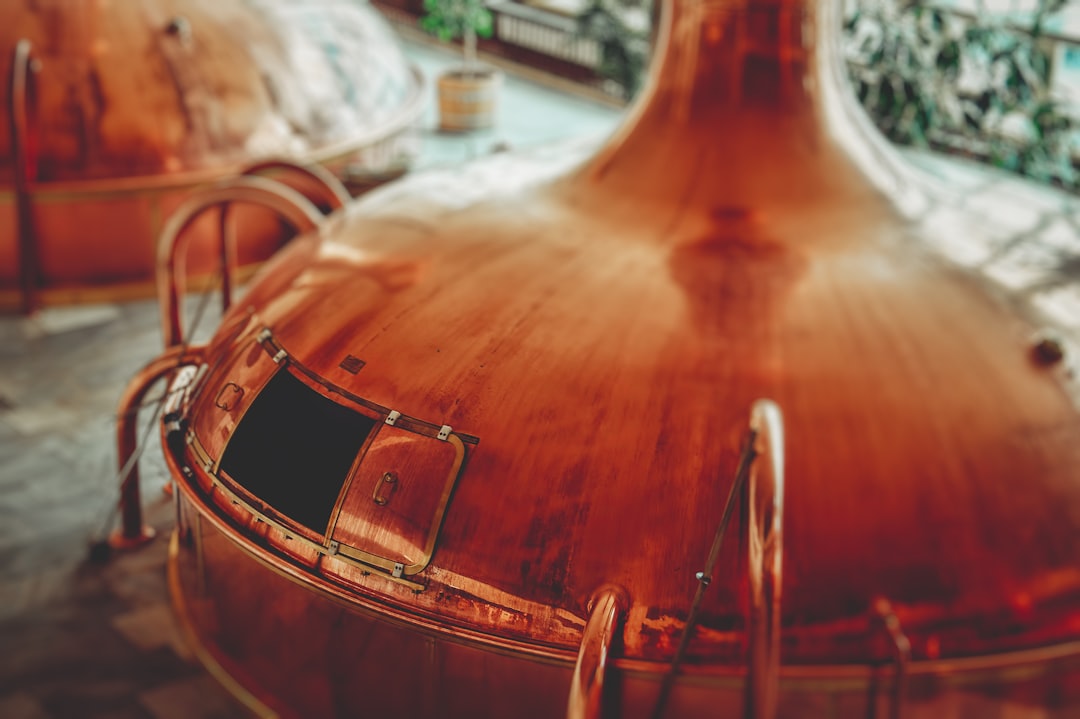
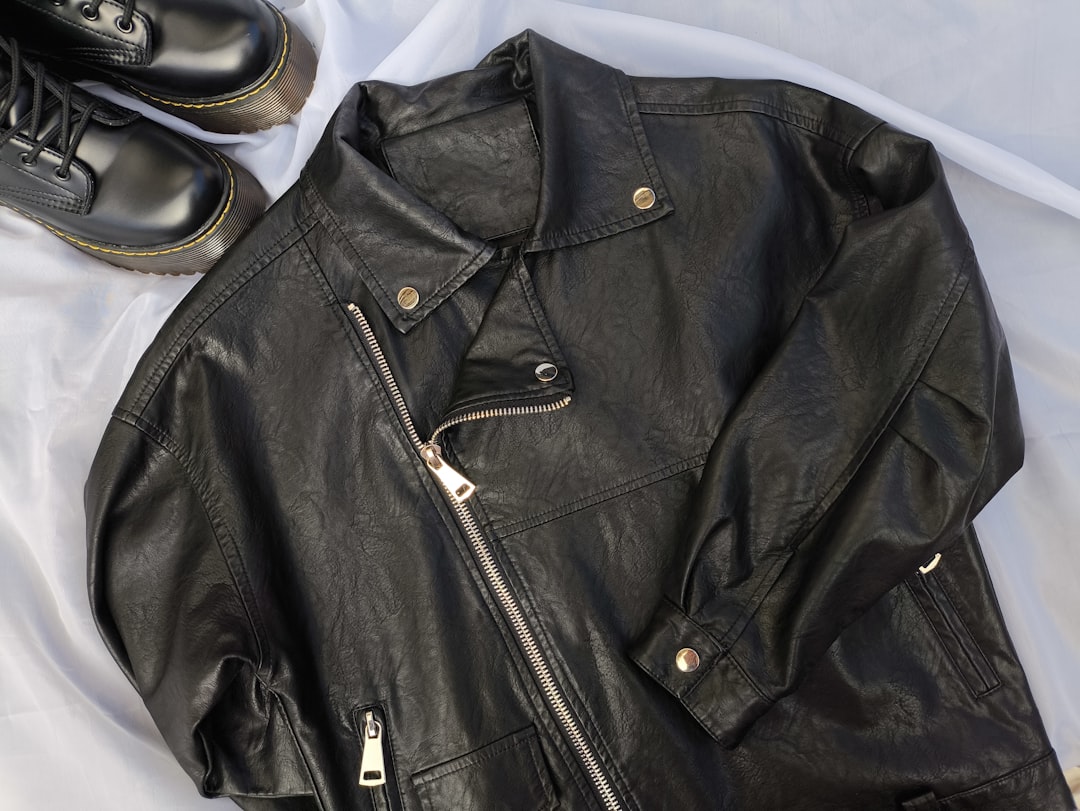
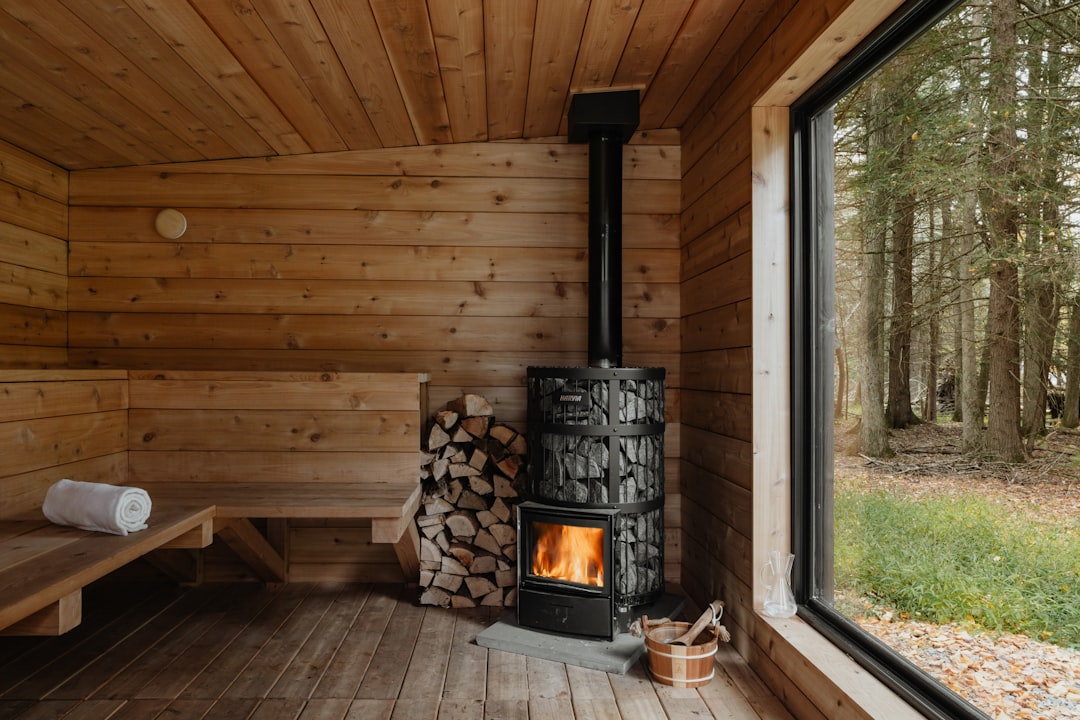
Photos: Martin Martz, Anna Evans, Clay Banks / Unsplash · the full spirits atlas is linked from the toolbox
A ritual needs a start signal nobody controls — a church bell, a factory whistle. Coors Light has owned one since 2007 and never used it as one: the can's mountains only turn blue when the beer is cold enough to drink.
| Signal | The bar goes blue when the case hits temperature. Cold sets the hour. |
|---|---|
| Gather | Nobody cracks alone. The pour waits for the blue and the table. |
| First crack | One synchronized open. The week ends at the hiss, together. |
Blue means now. Hypothesized

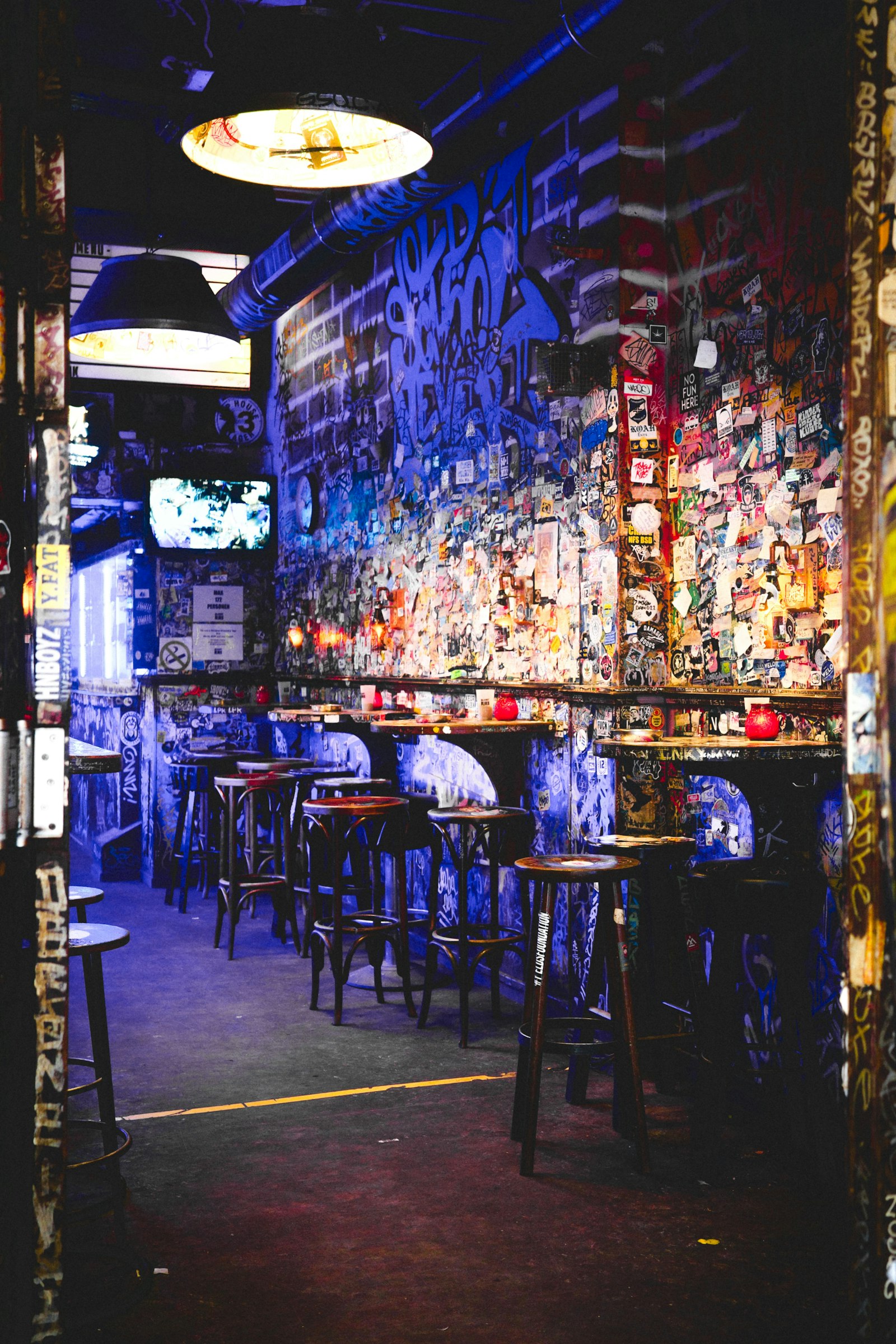
Mischief already taught America that Mondays belong to Coors Light — three Big Games, the "Mondays Light" case, the Times Square typo. A ritual needs a schedule, and the equity shows up a few days a year. So: fifty-two Mondays instead of one.
| The SKU | Mondays Light, permanent — sold only on Mondays. In the cooler and gone Tuesday; the shelf itself performs the ritual. |
|---|---|
| The toast | "To the worst day." One fixed phrase at the first sip, small enough to spread as manners. |
| The hour | Bars run Monday on Coors Light. The brand pays for the room and writes none of the script. |
The quietest beer night of the week, converted into a standing reservation.
A worry in, a question out — with the category read, the tension, the brand diagnosis and two creative platforms on the way. Every claim on every page with its source.
The live tools, with every source →